




Information repeats itself
The same data lives in a spreadsheet, a message and a system — and no one knows which version is correct.
Product, process and engineering
I turn disconnected spreadsheets and tools into custom software — from the first conversation to a product that keeps evolving.
Sound familiar?
When a process outgrows the system meant to support it, the team starts working for the tools instead of the other way around.
The same data lives in a spreadsheet, a message and a system — and no one knows which version is correct.
The owner has to ask several people before understanding where a task actually stands.
A small change requires copying, checking and notifying — always depending on someone's memory.
Not necessarily bigger. Just more coherent with how the operation actually runs.
From chaos to product
I don't start with code. First I locate the problem, scope the first version, and define how we'll know it works.
System Mapping
Current flow, tools, bottlenecks and a clear scope for the first version.
Core System
A usable first version, built in milestones and validated against written criteria.
Evolution & Support
A prioritised backlog, continuous improvements and reliability without hidden, unbounded work.
Selected work
Every project has to show process, decisions and real outcomes — no staged screens, invented metrics or technology used as decoration.
See all projects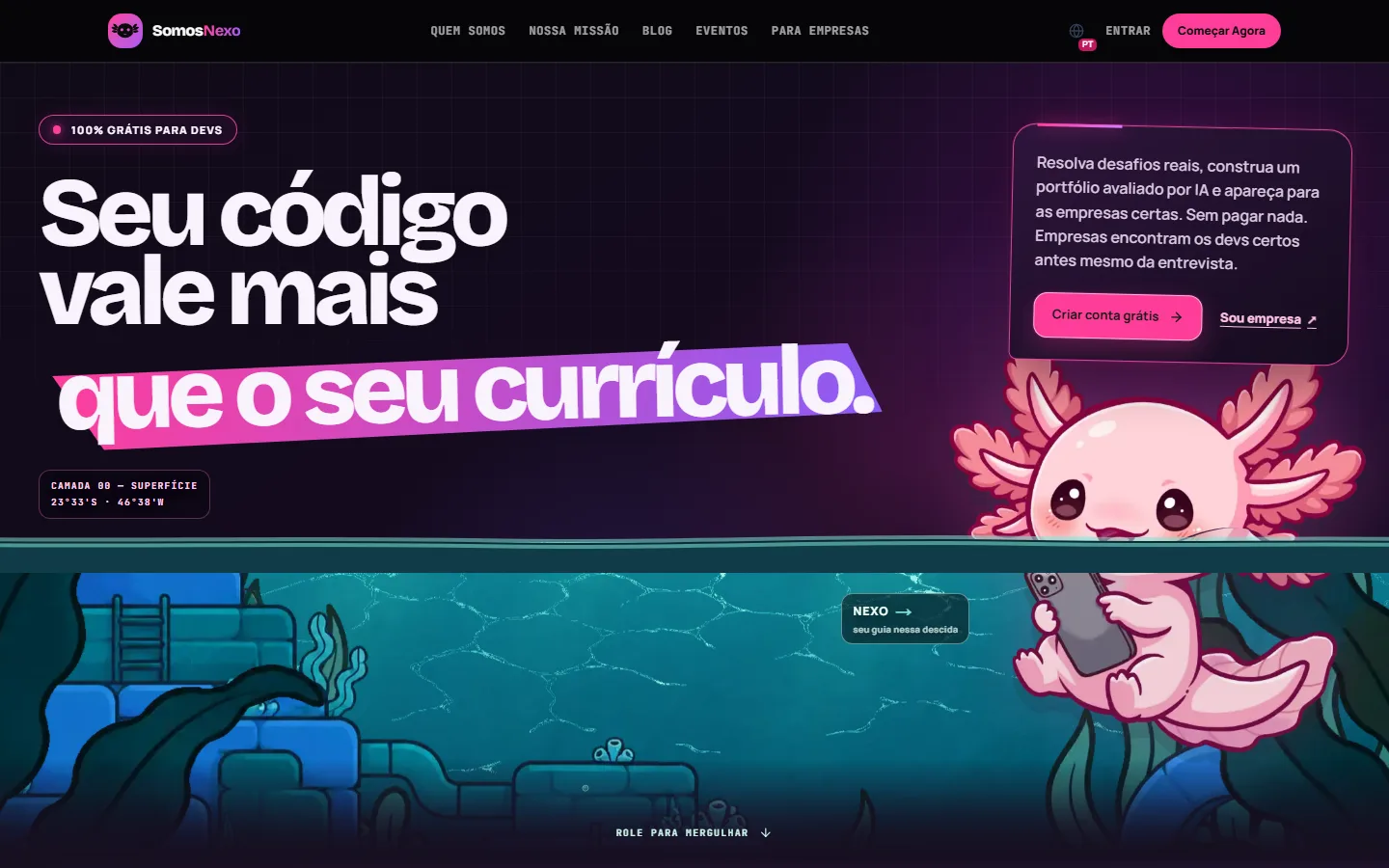 Live
Live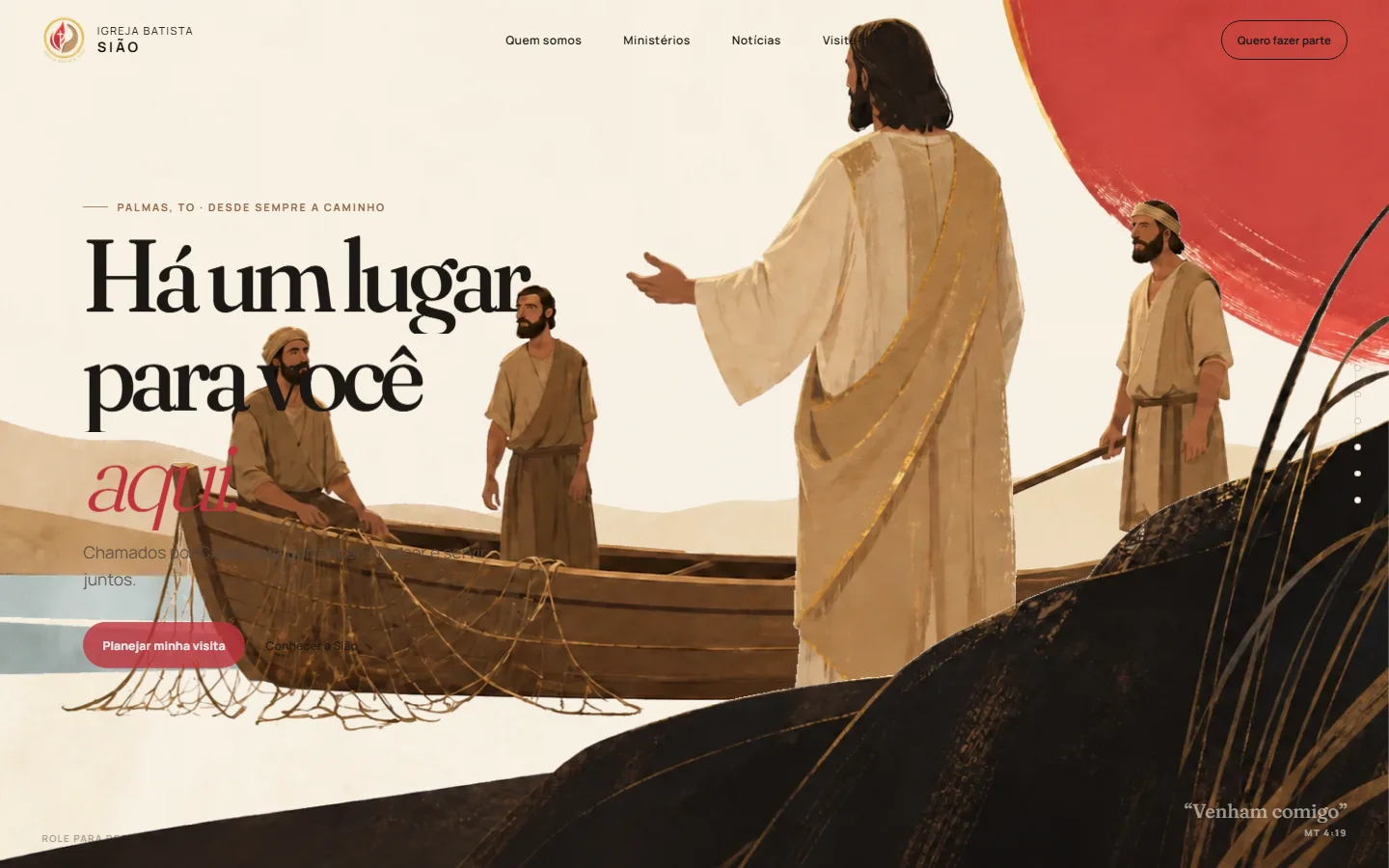 Not published yet
Institutional landing page with a layered hero and a documented identity.
This project is built, but it has no public address. The preview runs from this site.
Who builds it
I'm Mario Matheus, a software engineer and founder. My work is turning complex processes into systems that are clear, usable and built to evolve.
There are no commercial layers between you and the person deciding the architecture. The conversation, the decisions and the technical ownership stay close.
FAQ
Short, direct answers about how the work actually happens — the rest is in the portfolio.
Custom software for processes that outgrew the tools supporting them — replacing spreadsheets and disconnected tools with a system that matches how the operation actually runs, not a bigger one for its own sake.
No. The first stage is System Mapping: understanding the current flow, the tools in use, the bottlenecks, and scoping a first version before any code is written.
Nexo, a two-sided talent marketplace with AI-assisted evaluation. He is the founder and engineer in charge — product, architecture, database, authentication, billing and interface all went through his hands. It has been live in alpha since June 2026, and won Campus Mobile 2026.
On Nexo: one deploy instead of microservices, because the bottleneck was finding the product, not scaling infrastructure; and tenant security and economy rules were prioritised before widening the product's surface.
No, by design. The AI organises and standardises evidence of a candidate's work — it is not sold as an objective judge and does not replace the hiring decision.
No. Every project shows its real state: what is live can be visited at its own address, and what has not been published yet can be seen running directly from this site, as a preview.
No commercial layer. The conversation, the decisions and the technical ownership stay with the same person from start to finish.
Through the contact form, which prepares a WhatsApp message — nothing you type is stored on the page — or directly by email or WhatsApp. Separately, and worth saying: the site uses Google Analytics to measure audience, which involves a cookie. It counts visits in aggregate and never receives anything typed into the form.
Neither. Pricing is set after System Mapping, because that stage is what reveals the actual size of the work: how much of the flow is in scope, how many integrations with existing tools are involved, and how much of the process needs rebuilding rather than just digitising.
It depends, and quoting a number that won't hold up helps no one — not even for System Mapping. What drives the variation is the size of the flow, the number of integrations, and how available the people who know the process are on the client's side. Delivery happens in milestones, so a usable first version of the Core System ships before the full system does.
Yes, end to end: architecture, code, and every decision in between. No fixed team, no layer between the client and the person building it — the same person owns the work from the first conversation through to production.
First step
Tell me briefly where the process gets stuck. I put together the message and we continue over WhatsApp — no signup, nothing stored on this page.
Twenty minutes can be enough to know if there's a real opportunity here.